NCHBCU
Greensboro, North Carolina
13,900 students · 3% international · $20,000 a year
No reviews yet
HBCUs were founded before 1964 to educate Black Americans and are open to students of every background. 78 four-year HBCUs are listed here.
Greensboro, North Carolina
13,900 students · 3% international · $20,000 a year
No reviews yet
 HBCU
 HBCU
Baltimore, Maryland
9,800 students · 10% international · $19,000 a year
No reviews yet
 HBCU
Prairie View, Texas
9,500 students · 2% international · $27,000 a year
No reviews yet
 HBCU
Tallahassee, Florida
9,300 students · 0% international · $18,000 a year
No reviews yet
 HBCU
Houston, Texas
8,500 students · 2% international · $22,000 a year
No reviews yet
 HBCU
Baton Rouge, Louisiana
8,200 students · 0% international · $17,000 a year
No reviews yet
 HBCU
Nashville, Tennessee
8,200 students · 4% international · $22,000 a year
No reviews yet
 HBCU
Durham, North Carolina
8,000 students · 1% international · $20,000 a year
No reviews yet
 HBCU
Fayetteville, North Carolina
6,800 students · 1% international · $8,000 a year
No reviews yet
 HBCU
Normal, Alabama
6,600 students · 3% international · $19,000 a year
No reviews yet
 HBCU
Jackson, Mississippi
6,600 students · 3% international · $10,000 a year
No reviews yet
 HBCU
Albany, Georgia
6,500 students · 0% international · $17,000 a year
No reviews yet
 HBCU
Bowie, Maryland
6,400 students · 3% international · $20,000 a year
No reviews yet
 HBCU
Norfolk, Virginia
6,000 students · 2% international · $21,000 a year
No reviews yet
 HBCU
Dover, Delaware
5,800 students · 2% international · $20,000 a year
No reviews yet
 HBCU
Petersburg, Virginia
5,200 students · 1% international · $22,000 a year
No reviews yet
 HBCU
Grambling, Louisiana
5,100 students · 2% international · $17,000 a year
No reviews yet
 HBCU
Winston-Salem, North Carolina
4,800 students · 1% international · $17,000 a year
No reviews yet
 HBCU
Atlanta, Georgia
4,100 students · 1% international · $26,000 a year
No reviews yet
 HBCU
Montgomery, Alabama
3,900 students · 2% international · $20,000 a year
No reviews yet
 HBCU
Washington, DC
3,900 students · 4% international · $13,000 a year
No reviews yet
 HBCU
 HBCU
 HBCU
Institute, West Virginia
3,500 students · 2% international · $15,000 a year
No reviews yet
 HBCU
Wilberforce, Ohio
3,500 students · 5% international · $10,000 a year
No reviews yet
 HBCU
New Orleans, Louisiana
3,200 students · 3% international · $28,000 a year
No reviews yet
 HBCU
Savannah, Georgia
3,100 students · 2% international · $16,000 a year
No reviews yet
Orangeburg, South Carolina
3,000 students · 0% international · $22,000 a year
No reviews yet
 HBCU
Alcorn State, Mississippi
2,900 students · 2% international · $9,000 a year
No reviews yet
 HBCU
Tuskegee, Alabama
2,800 students · 0% international · $23,000 a year
No reviews yet
 HBCU
Princess Anne, Maryland
2,800 students · 3% international · $20,000 a year
No reviews yet
 HBCU
Fort Valley, Georgia
2,800 students · 1% international · $16,000 a year
No reviews yet
 HBCU
Daytona Beach, Florida
2,500 students · 2% international · $15,000 a year
No reviews yet
 HBCU
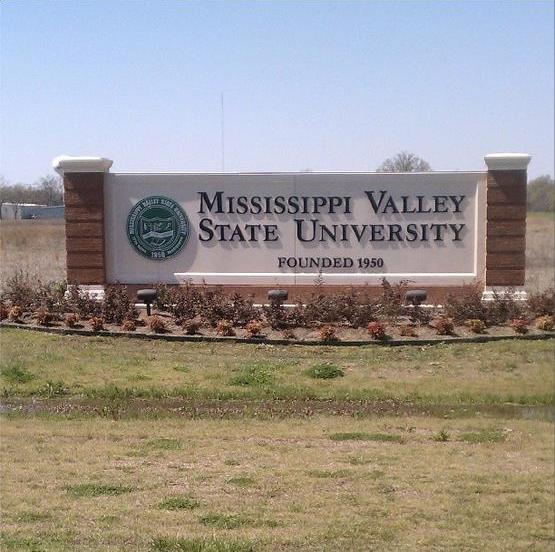
Itta Bena, Mississippi
2,200 students · 0% international · $8,000 a year
No reviews yet
 HBCU
Elizabeth City, North Carolina
2,200 students · 1% international · $7,000 a year
No reviews yet
 HBCU
Baltimore, Maryland
2,100 students · 5% international · $14,000 a year
No reviews yet
Pine Bluff, Arkansas
2,100 students · 3% international · $17,000 a year
No reviews yet
 HBCU
New Orleans, Louisiana
2,100 students · 0% international · $16,000 a year
No reviews yet
 HBCU
Langston, Oklahoma
1,900 students · 4% international · $14,000 a year
No reviews yet
 HBCU
Lincoln University, Pennsylvania
1,800 students · 3% international · $19,000 a year
No reviews yet
 HBCU
Orangeburg, South Carolina
1,800 students · 3% international · $17,000 a year
No reviews yet
 HBCU
Jefferson City, Missouri
1,800 students · 7% international · $17,000 a year
No reviews yet
 HBCU
Columbia, South Carolina
1,700 students · 14% international · $18,000 a year
No reviews yet
 HBCU
Frankfort, Kentucky
1,700 students · 3% international · $13,000 a year
No reviews yet
 HBCU
Richmond, Virginia
1,700 students · 2% international · $15,000 a year
No reviews yet
 HBCU
Miami Gardens, Florida
1,400 students · 13% international · $19,000 a year
No reviews yet
 HBCU
Huntsville, Alabama
1,300 students · 15% international · $22,000 a year
No reviews yet
Bluefield, West Virginia
1,300 students · 1% international · $18,000 a year
No reviews yet
Showing 1 to 50 of 78 colleges
Most bachelor's degrees take four years, and you usually pick your major in your first or second year. You apply to each college separately, though many accept the same application through the Common App.
Public colleges charge students from their own state much less. International students pay the out-of-state rate, which is the tuition figure we show. Private colleges usually charge everyone the same.
For an F-1 student visa you need a Form I-20 from your college. The college issues it once you're admitted and have shown you can pay for at least your first year.
Many colleges no longer require the SAT or ACT. Each college's page says whether it requires scores, considers them if you send them, or ignores them, based on what it reported to the US Department of Education.
Studied There lists 78 historically Black colleges and universities (HBCUs), across 66 cities.
Of those with published figures, North Carolina Agricultural and Technical State University has the most students: 13,885.
Morgan State University (964), Howard University (676) and North Carolina Agricultural and Technical State University (443) have the most international students.
The median published out-of-state tuition and fees across 78 colleges is $16,794 a year. The lowest is Elizabeth City State University at $7,412.
The median acceptance rate across 62 colleges is 68%. The most selective is Florida A&M University, which admitted 21.1% of applicants.
That depends on what you want: the course, the price, the city and the kind of place it is. On Studied There a college is ranked by what verified students say once it has 10 reviews; until then the list is sorted by size. Use Sort by to see the most international or the cheapest first, and read reviews from students from your own country before you decide.
Colleges here estimate food and housing off campus at a median of $10,400 for the academic year. Add tuition, books, health insurance and flights on top. Each college's page shows its own estimate.
Not always. Many colleges are test-optional: they'll look at your SAT or ACT score if you send one but don't require it, and a few ignore scores completely. Each college's page says what it asks for.
Early decision and early action deadlines are often in November, and regular decision deadlines are often in early January, for courses starting the following fall. Leave time after you're admitted to get your I-20 and book a visa interview.
Where the figures come from
Photos from Wikimedia Commons


