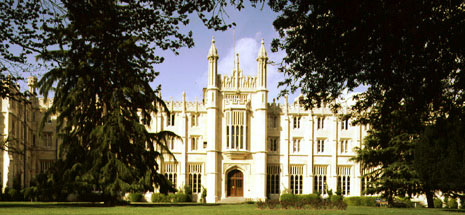
London, England
International: 87% (HESA 2024/25)
1,200 students · 87% international
No reviews yet
123 universities in England, ordered by the share of their students who are international.

London, England
International: 87% (HESA 2024/25)
1,200 students · 87% international
No reviews yet

London, England
International: 71% (HESA 2024/25)
2,600 students · 71% international
No reviews yet

London, England
International: 70% (HESA 2024/25)
2,600 students · 70% international
No reviews yet
London, England
International: 69% (HESA 2024/25)
31,500 students · 69% international
No reviews yet
 Russell Group
London, England
International: 64% (HESA 2024/25)
13,000 students · 64% international
No reviews yet

Hatfield, England
International: 58% (HESA 2024/25)
33,600 students · 58% international
No reviews yet

London, England
International: 54% (HESA 2024/25)
23,000 students · 54% international
No reviews yet

London, England
International: 53% (HESA 2024/25)
900 students · 53% international
No reviews yet
 Russell Group
London, England
International: 53% (HESA 2024/25)
22,500 students · 53% international
No reviews yet
 Russell Group
London, England
International: 52% (HESA 2024/25)
51,300 students · 52% international
No reviews yet

London, England
International: 50% (HESA 2024/25)
800 students · 50% international
No reviews yet

London, England
International: 49% (HESA 2024/25)
26,800 students · 49% international
No reviews yet

London, England
International: 48% (HESA 2024/25)
1,000 students · 48% international
No reviews yet
Birmingham, England
International: 47% (HESA 2024/25)
6,800 students · 47% international
No reviews yet

London, England
International: 47% (HESA 2024/25)
11,900 students · 47% international
No reviews yet

Coventry, England
International: 45% (HESA 2024/25)
29,500 students · 45% international
No reviews yet

London, England
International: 40% (HESA 2024/25)
7,900 students · 40% international
No reviews yet
 Russell Group
Manchester, England
International: 40% (HESA 2024/25)
46,300 students · 40% international
No reviews yet
 Russell Group
London, England
International: 38% (HESA 2024/25)
40,900 students · 38% international
No reviews yet
 Russell Group
Oxford, England
International: 37% (HESA 2024/25)
26,200 students · 37% international
No reviews yet

York, England
International: 37% (HESA 2024/25)
12,200 students · 37% international
No reviews yet
Sunderland, England
International: 37% (HESA 2024/25)
20,300 students · 37% international
No reviews yet

Cranfield, England
International: 36% (HESA 2024/25)
5,000 students · 36% international
No reviews yet
 Russell Group
Southampton, England
International: 35% (HESA 2024/25)
25,800 students · 35% international
No reviews yet

London, England
International: 35% (HESA 2024/25)
12,700 students · 35% international
No reviews yet

London, England
International: 35% (HESA 2024/25)
29,400 students · 35% international
No reviews yet
 Russell Group
Coventry, England
International: 34% (HESA 2024/25)
27,900 students · 34% international
No reviews yet

Colchester, England
International: 34% (HESA 2024/25)
14,000 students · 34% international
No reviews yet
 Russell Group
Bristol, England
International: 34% (HESA 2024/25)
32,400 students · 34% international
No reviews yet
 Russell Group
Durham, England
International: 33% (HESA 2024/25)
21,200 students · 33% international
No reviews yet
 Russell Group
Cambridge, England
International: 32% (HESA 2024/25)
22,600 students · 32% international
No reviews yet
 Russell Group
London, England
International: 32% (HESA 2024/25)
24,600 students · 32% international
No reviews yet

Leicester, England
International: 32% (HESA 2024/25)
23,200 students · 32% international
No reviews yet
 Russell Group
Leeds, England
International: 32% (HESA 2024/25)
34,600 students · 32% international
No reviews yet
 Russell Group
Birmingham, England
International: 31% (HESA 2024/25)
40,000 students · 31% international
No reviews yet
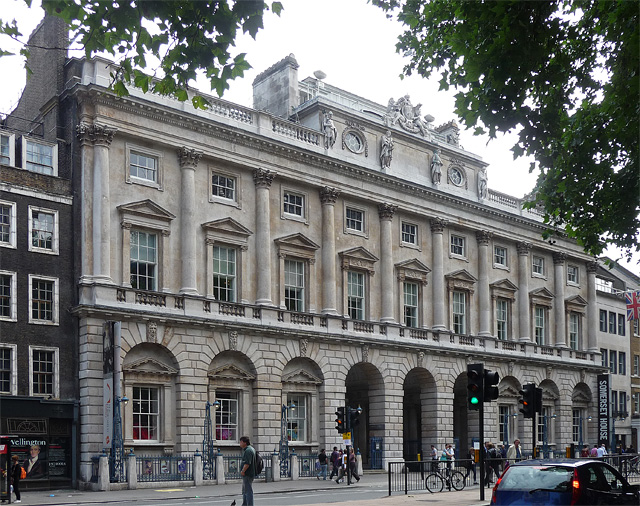
London, England
International: 31% (HESA 2024/25)
600 students · 31% international
No reviews yet

London, England
International: 30% (HESA 2024/25)
8,700 students · 30% international
No reviews yet

London, England
International: 30% (HESA 2024/25)
20,900 students · 30% international
No reviews yet
Luton, England
International: 30% (HESA 2024/25)
9,000 students · 30% international
No reviews yet

Hull, England
International: 30% (HESA 2024/25)
14,700 students · 30% international
No reviews yet

London, England
International: 30% (HESA 2024/25)
15,000 students · 30% international
No reviews yet

Chester, England
International: 29% (HESA 2024/25)
13,500 students · 29% international
No reviews yet

Middlesbrough, England
International: 29% (HESA 2024/25)
21,600 students · 29% international
No reviews yet

London, England
International: 28% (HESA 2024/25)
1,100 students · 28% international
No reviews yet
 Russell Group
Sheffield, England
International: 28% (HESA 2024/25)
28,300 students · 28% international
No reviews yet

London, England
International: 27% (HESA 2024/25)
17,700 students · 27% international
No reviews yet

Buckingham, England
International: 26% (HESA 2024/25)
3,500 students · 26% international
No reviews yet

London, England
International: 26% (HESA 2024/25)
6,400 students · 26% international
No reviews yet

London, England
International: 26% (HESA 2024/25)
1,000 students · 26% international
No reviews yet

Bolton, England
International: 25% (HESA 2024/25)
12,600 students · 25% international
No reviews yet
Showing 1 to 50 of 123 universities
Most undergraduate degrees in England, Wales and Northern Ireland take three years. In Scotland they usually take four. You apply for undergraduate courses through UCAS, where you can choose up to five, and for postgraduate courses directly with each university.
Each university sets its own fees, and international students pay more than home students. The fee on a university's page says where the figure came from and which year it covers.
For a Student visa you need an offer and a Confirmation of Acceptance for Studies (CAS) from the university. You also have to show you can pay your first year's fees and living costs. Each city's cost of living page has the amount UK Visas and Immigration asks for.
You'll see the Russell Group mentioned a lot. It's a membership group of research-intensive universities, not a ranking, and plenty of good universities aren't in it.
Studied There lists 123 universities in England for international students, across 63 cities.
Of those with published figures, The Open University has the most students: 124,580.
University College London (26,610), BPP University (21,865) and University of Hertfordshire (19,310) have the most international students.
That depends on what you want: the course, the price, the city and the kind of place it is. On Studied There a university is ranked by what verified students say once it has 10 reviews; until then the list is sorted by size. Use Sort by to see the most international or the cheapest first, and read reviews from students from your own country before you decide.
To get a Student visa you have to show you can cover living costs of £1,171 a month, for up to 9 months, on top of your fees. That's a sensible minimum to budget. Rent is usually the biggest cost, so read what students say about accommodation before you choose.
Usually, unless you're from a majority English-speaking country or already studied in English. Most universities accept IELTS Academic, and many also take PTE Academic or TOEFL. The score depends on the course and is often between 6.0 and 7.0 overall. Each university's page shows its requirement where it has confirmed one.
For an undergraduate degree you apply through UCAS, usually by January for courses starting that autumn. Oxford, Cambridge, medicine, dentistry and veterinary science close in mid-October. For a master's or PhD you apply directly to each university, and popular courses fill up, so apply early.
Where the figures come from
Photos from Wikimedia Commons


