
Best universities in the UK, page 3
Thinking about studying in the UK? There are 154 universities to choose from. Search for one you've heard of, or narrow it down by city, list or subject.

Why study in the UK?
Degrees here are short and focused. Most bachelor's degrees take three years in England, Wales and Northern Ireland (four in Scotland), and a taught master's usually takes just one. That can mean a year or more less in fees and rent than you'd pay elsewhere.
You'd be far from the only one a long way from home. At 60 of the 150 universities with published figures, more than a quarter of students are international. Some cities have whole neighbourhoods of students from around the world.
And it doesn't have to end at graduation. The Graduate route lets you stay and work, or look for work, without a job offer: two years if you apply by 31 December 2026, 18 months from 1 January 2027, and three years after a PhD.
- 3 years
- for most bachelor's degrees (4 in Scotland)
- 1 year
- for most taught master's degrees
- Up to 2 years
- to stay and work after you graduate, or 18 months if you apply from 1 January 2027
- 154
- universities to choose from, in 82 cities
The UK at a glance
Cities in the UK
 London33 universities
 Birmingham5 universities
 Edinburgh4 universities
 Glasgow4 universities
 Liverpool4 universities
 Brighton3 universities
 Cardiff3 universities
 Leeds3 universities
 Plymouth3 universities
 Aberdeen2 universities
 Bath2 universities
 Bristol2 universities
 Cambridge2 universities
 Canterbury2 universities
 Coventry2 universities
 Dundee2 universities
 Leicester2 universities
 Lincoln2 universities
 Manchester2 universities
 Newcastle upon Tyne2 universities
 Norwich2 universities
 Nottingham2 universities
 Oxford2 universities
 Sheffield2 universities
 Southampton2 universities
 Swansea2 universities
 York2 universities
 Aberystwyth1 university
 Bangor1 university
 Belfast1 university
 Blackpool1 university
 Bolton1 university
 Bournemouth1 university
 Bradford1 university
 Buckingham1 university
 Carlisle1 university
 Cheltenham1 university
 Chester1 university
 Chichester1 university
 Cirencester1 university
Universities in the UK


UB


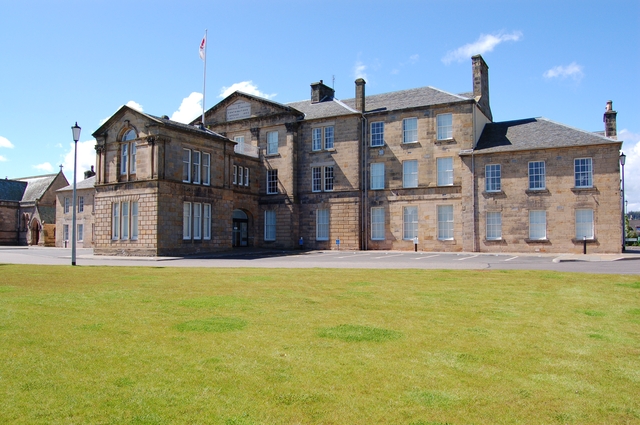
Inverness, Scotland
8,700 students · 2% international
No reviews yet


UG


UW
UC

BU

UC

NU

HA


HS

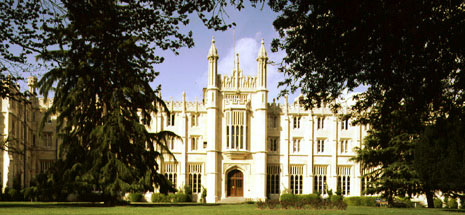
London, England
1,200 students · 87% international
No reviews yet

Liverpool, England
1,100 students · 20% international
No reviews yet


London, England
1,000 students · 26% international
No reviews yet


London, England
900 students · 53% international
No reviews yet

Showing 101 to 150 of 154 universities
Popular subjects in the UK
How to apply to a UK university from abroad
- Choose your coursesShortlist up to five undergraduate courses. Check each one's entry requirements and the English test it accepts.
- Apply through UCASOne application covers all five. Most courses close in January for the following autumn; Oxford, Cambridge, medicine, dentistry and veterinary science close in mid-October. Master's and PhD applications go straight to each university.
- Get your offersOffers are usually conditional on your final grades or English score. Pick a firm choice and a back-up insurance choice.
- Meet your conditions and get your CASOnce you've met the conditions, the university sends you a Confirmation of Acceptance for Studies, which you need for your visa.
- Apply for your Student visaApply online with your CAS, show you can cover your fees and living costs, and pay the visa fee and the health surcharge.
- Sort out where you'll liveApply for university halls as soon as you accept your offer, as the best rooms go early. Then book your travel.
More ways to explore the UK
- Accounting and Finance118 universities
- Architecture68 universities
- Art and Design102 universities
- Biology101 universities
- Business and Management138 universities
- Chemistry60 universities
- Computer Science135 universities
- Data Science71 universities
- Economics93 universities
- Education96 universities
- Engineering115 universities
- English104 universities
- Film and Media123 universities
- History96 universities
- Law118 universities
- Mathematics75 universities
- Medicine42 universities
- Nursing93 universities
Questions about studying in the UK
How many universities in the UK are there?
Studied There lists 154 universities in the UK, across 82 cities.
Which is the largest of the universities in the UK?
Of those with published figures, The Open University has the most students: 124,580.
Which universities in the UK have the most international students?
University College London (26,610), BPP University (21,865) and University of Hertfordshire (19,310) have the most international students.
Which Russell Group universities are in the UK?
24 Russell Group universities are in the UK: Cardiff University, Durham University, Imperial College London, King's College London, London School of Economics and Political Science, Newcastle University, Queen Mary University of London, Queen's University Belfast, University College London, University of Birmingham, University of Bristol, University of Cambridge, University of Edinburgh, University of Exeter, University of Glasgow, University of Leeds, University of Liverpool, University of Manchester, University of Nottingham, University of Oxford, University of Sheffield, University of Southampton, University of Warwick and University of York.
What are the best universities in the UK?
That depends on what you want: the course, the price, the city and the kind of place it is. On Studied There a university is ranked by what verified students say once it has 10 reviews; until then the list is sorted by size. Use Sort by to see the most international or the cheapest first, and read reviews from students from your own country before you decide.
How much does it cost to live in the UK as a student?
To get a Student visa you have to show you can cover living costs of £1,529 a month in London and £1,171 a month everywhere else, for up to 9 months, on top of your fees. That's a sensible minimum to budget. Rent is usually the biggest cost, so read what students say about accommodation before you choose.
Do I need IELTS to study at a university in the UK?
Usually, unless you're from a majority English-speaking country or already studied in English. Most universities accept IELTS Academic, and many also take PTE Academic or TOEFL. The score depends on the course and is often between 6.0 and 7.0 overall. Each university's page shows its requirement where it has confirmed one.
When should I apply to universities in the UK?
For an undergraduate degree you apply through UCAS, usually by January for courses starting that autumn. Oxford, Cambridge, medicine, dentistry and veterinary science close in mid-October. For a master's or PhD you apply directly to each university, and popular courses fill up, so apply early.
Can international students work while studying in the UK?
Usually, yes. Most students at degree level can work part-time during term and full-time in the holidays, but the exact limit depends on your course and is written on your visa, so check it before you take a job.
Can I stay in the UK after I graduate?
Yes, through the Graduate route. It lets you stay and work, or look for work, without a job offer: two years if you apply by 31 December 2026, 18 months if you apply from 1 January 2027, and three years after a PhD.
Plan your move to the UK
Study in the UK: how to choose, apply, pay and get your visaThe whole plan for studying in the UK: where to live, how to apply, what it costs, the Student visa and working after you graduate.UK Graduate visa: who qualifies, how long it lasts and how to applyWho can stay on to work after a UK degree, how long the Graduate visa lasts, what it costs and how to time your application.Student visa UK: requirements, money you need and timelineWhat you need for a UK Student visa, how much money to show, what it costs and when to apply so you arrive on time.UCAS Clearing for international students: how to find a placeHow international students use UCAS Clearing to find a UK university place late, and how to get the CAS, money and visa sorted in time.
Sources and photo credits
Where the figures come from
- Student numbers and international share: HESA 2024/25
- To stay and work after you graduate, or 18 months if you apply from 1 January 2027: GOV.UK, checked November 2026
- Student visa living costs: UK Visas and Immigration, checked November 2026
- Numbers of universities, colleges and cities: Studied There directory
Photos from Wikimedia Commons
- UK: Julian Herzog (Website), CC BY 4.0
- London: Ilya Grigorik, CC BY-SA 3.0
- Birmingham: JimmyGuano, CC BY-SA 4.0
- Edinburgh: 瑞丽江的河水, CC BY-SA 4.0
- Glasgow: 瑞丽江的河水, CC BY-SA 4.0
- Liverpool: Rodhullandemu, CC BY-SA 4.0
- Brighton: Bojan Lazarevic, ZivojinMisic slike, CC BY 3.0
- Cardiff: Jeremy Segrott from Cardiff, Wales, UK, CC BY 2.0
- Leeds: Simon Burchell, CC BY-SA 4.0
- Plymouth: Andrew Bone from Weymouth, England, CC BY 2.0
- Aberdeen: Ragazzi00, CC BY-SA 3.0
- Bath: Raboe001, CC BY-SA 3.0
- Bristol: Gothick, CC BY-SA 3.0
- Cambridge: Richard Humphrey, CC BY-SA 2.0
- Canterbury: Diliff, CC BY-SA 3.0
- Coventry: DeFacto, CC BY-SA 4.0
- Dundee: Graham Robson, CC BY-SA 2.0
- Leicester: NotFromUtrecht, CC BY-SA 3.0
- Lincoln: DrMoschi, CC BY-SA 4.0
- Manchester: Daniel Nisbet from Manchester, United Kingdom, CC BY 2.0
- Newcastle upon Tyne: Tagishsimon, CC BY-SA 3.0
- Norwich: Michael Garlick, CC BY-SA 2.0
- Nottingham: Immanuel Giel, CC BY-SA 4.0
- Oxford: Andrew Gray, CC BY-SA 3.0
- Sheffield: Coolmule0, CC0
- Southampton: Peter Trimming, CC BY-SA 2.0
- Swansea: Wiccasha, Public domain
- York: Gary Todd from Xinzheng, China, CC0
- Aberystwyth: Llywelyn2000, CC BY-SA 4.0
- Bangor: Wikimedia Commons contributor, Public domain
- Belfast: Niall1990 (talk), Public domain
- Blackpool: Oliver Mills, CC BY-SA 2.0
- Bolton: Robert Linsdell from St. Andrews, Canada, CC BY 2.0
- Bournemouth: Rad Dougall, CC BY 3.0
- Bradford: Benjamin Smith, CC BY-SA 4.0
- Buckingham: Tita Beaven, CC BY-SA 4.0
- Carlisle: Michael Garlick, CC BY-SA 2.0
- Cheltenham: Arpingstone, Public domain
- Chester: Nessy-Pic, CC BY-SA 4.0
- Chichester: Evgeniy Podkopaev, CC BY-SA 3.0
- Royal Agricultural University: Jongleur100, Public domain
- Richmond, The American International University in London: HTUK at English Wikipedia, Public domain
- York St John University: Robert Dawson, CC BY-SA 4.0
- University of Roehampton: Diliff, CC BY-SA 3.0
- University of Stirling: Roger Wollstadt from Sarasota, Florida, CC BY-SA 2.0
- University of St Andrews: Wikimedia Commons contributor, CC BY-SA 3.0
- University of Bradford: Chemical Engineer, CC BY-SA 4.0
- Bangor University: Andrew Woodvine from Bangor, CC BY-SA 2.0
- Heriot-Watt University: Walter Baxter, CC BY-SA 2.0
- University of Cumbria: Rose and Trev Clough, CC BY-SA 2.0
- Aberystwyth University: Eos12, Public domain
- University of Worcester: Esther Westerveld from Haarlemmermeer, Nederland, CC BY 2.0
- Ravensbourne University London: Paul Gillett, CC BY-SA 2.0
- University of the Highlands and Islands: John Allan, CC BY-SA 2.0
- Wrexham University: Geoff Evans, CC BY-SA 2.0
- Southampton Solent University: Paul Heimann (GoG at German Wikipedia), Public domain
- Falmouth University: Falunioff, CC BY-SA 4.0
- Goldsmiths, University of London: Alex Blandford, CC BY 2.0
- Birkbeck, University of London: Matt From London, CC BY 2.0
- Queen Margaret University: Stuart Caie from Edinburgh, Scotland, CC BY 2.0
- SOAS, University of London: Philafrenzy, CC BY-SA 4.0
- St Mary's University, Twickenham: Colin Smith, CC BY-SA 2.0
- Liverpool Hope University: Rodhullandemu, CC BY-SA 4.0
- Cranfield University: Antimuonium, CC BY-SA 4.0
- University of Abertay Dundee: Tam155 at English Wikipedia, Public domain
- Plymouth Marjon University: Chris McKenna, CC BY-SA 3.0
- University of Buckingham: Bucks2021, CC0
- University of London: An Siarach at English Wikipedia, Public domain
- Glasgow School of Art: Stinglehammer, CC BY-SA 4.0
- Norwich University of the Arts: Nigel Chadwick, CC BY-SA 2.0
- Regent's University London: Photograph by Mike Peel (www.mikepeel.net)., CC BY-SA 4.0
- Royal College of Art: Chmee2, CC BY-SA 3.0
- Lincoln Bishop University: Paul Stainthorp, CC BY-SA 2.0
- Arts University Plymouth: Onlytruejames, CC BY-SA 3.0
- Liverpool Institute for Performing Arts: D.pendleton at English Wikipedia, Public domain
- Guildhall School of Music and Drama: The original uploader was Nevilley at English Wikipedia., CC BY-SA 3.0
- Royal Central School of Speech and Drama: presentattempt, CC BY 2.0
- Royal College of Music: Julian Herzog (Website), CC BY 4.0
- London School of Hygiene and Tropical Medicine: Anne Koerber, CC BY-SA 4.0
- Royal Academy of Music: Philafrenzy, CC BY 2.0
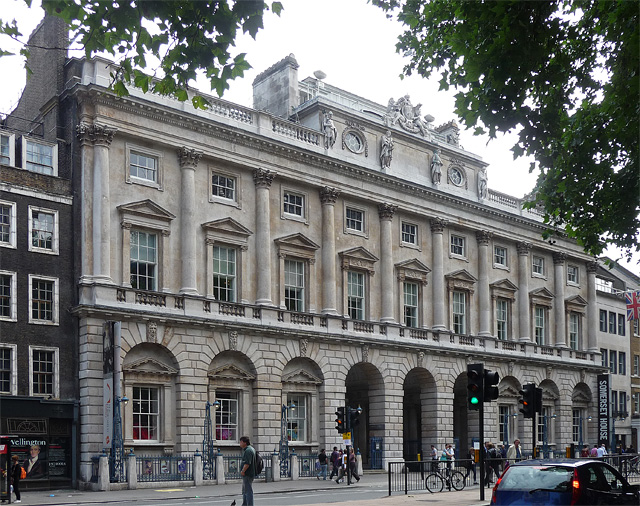
- Courtauld Institute of Art: Stephen Richards, CC BY-SA 2.0


