
Saint Paul, Minnesota
3,500 students · 1% international · $43,000 a year
No reviews yet
Want to study Physics in the US? Here are the 392 colleges that teach it.

Physics majors take a lot of math. Ask how undergraduates get into research, through summer programs or a senior project. If you'd like plenty to choose from in one city, New York City has the most, with 7.
Saint Paul, Minnesota
3,500 students · 1% international · $43,000 a year
No reviews yet

Forest Grove, Oregon
3,500 students · 4% international · $54,000 a year
No reviews yet
Thousand Oaks, California
3,400 students · 8% international · $51,000 a year
No reviews yet

New York City, New York
3,400 students · 14% international · $66,000 a year
No reviews yet
Prescott, Arizona
3,300 students · 9% international · $42,000 a year
No reviews yet

Middletown, Connecticut
3,300 students · 11% international · $67,000 a year
No reviews yet

Redlands, California
3,200 students · 3% international · $58,000 a year
No reviews yet
 HBCU
New Orleans, Louisiana
3,200 students · 3% international · $28,000 a year
No reviews yet


Hamilton, New York
3,100 students · 8% international · $67,000 a year
No reviews yet

Northfield, Minnesota
3,100 students · 10% international · $57,000 a year
No reviews yet

Worcester, Massachusetts
3,000 students · 3% international · $61,000 a year
No reviews yet

Asheville, North Carolina
2,900 students · 2% international · $25,000 a year
No reviews yet
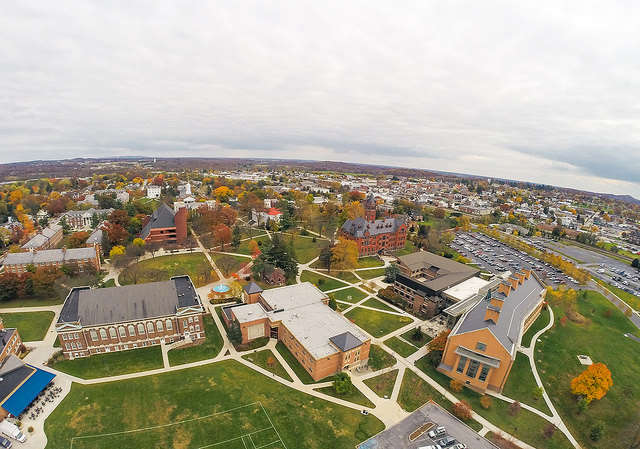
Gettysburg, Pennsylvania
2,900 students · 9% international · $64,000 a year
No reviews yet

Middlebury, Vermont
2,900 students · 12% international · $65,000 a year
No reviews yet

Naperville, Illinois
2,900 students · 4% international · $44,000 a year
No reviews yet

Northampton, Massachusetts
2,800 students · 12% international · $62,000 a year
No reviews yet


Easton, Pennsylvania
2,800 students · 7% international · $63,000 a year
No reviews yet

Tacoma, Washington
2,700 students · 4% international · $51,000 a year
No reviews yet

San Antonio, Texas
2,700 students · 5% international · $51,000 a year
No reviews yet

Easton, Massachusetts
2,600 students · 2% international · $55,000 a year
No reviews yet

Greenville, South Carolina
2,500 students · 5% international · $58,000 a year
No reviews yet

Rapid City, South Dakota
2,500 students · 5% international · $15,000 a year
No reviews yet

Pasadena, California
2,500 students · 32% international · $63,000 a year
No reviews yet

Poughkeepsie, New York
2,500 students · 7% international · $68,000 a year
No reviews yet

Saint Paul, Minnesota
2,400 students · 2% international · $48,000 a year
No reviews yet

Wellesley, Massachusetts
2,400 students · 14% international · $64,000 a year
No reviews yet


Spokane, Washington
2,300 students · 5% international · $51,000 a year
No reviews yet

South Hadley, Massachusetts
2,300 students · 21% international · $64,000 a year
No reviews yet


Lexington, Virginia
2,300 students · 7% international · $65,000 a year
No reviews yet

Selinsgrove, Pennsylvania
2,200 students · 1% international · $57,000 a year
No reviews yet

Carlisle, Pennsylvania
2,200 students · 14% international · $63,000 a year
No reviews yet


Colorado Springs, Colorado
2,200 students · 5% international · $68,000 a year
No reviews yet

Williamstown, Massachusetts
2,200 students · 10% international · $65,000 a year
No reviews yet

Saint Paul, Minnesota
2,100 students · 14% international · $65,000 a year
No reviews yet


Northfield, Minnesota
2,100 students · 10% international · $65,000 a year
No reviews yet


Saint Petersburg, Florida
2,000 students · 4% international · $50,000 a year
No reviews yet

Saint Peter, Minnesota
2,000 students · 5% international · $54,000 a year
No reviews yet
Showing 301 to 350 of 392 colleges
Most bachelor's degrees take four years, and you usually pick your major in your first or second year. You apply to each college separately, though many accept the same application through the Common App.
Public colleges charge students from their own state much less. International students pay the out-of-state rate, which is the tuition figure we show. Private colleges usually charge everyone the same.
For an F-1 student visa you need a Form I-20 from your college. The college issues it once you're admitted and have shown you can pay for at least your first year.
Many colleges no longer require the SAT or ACT. Each college's page says whether it requires scores, considers them if you send them, or ignores them, based on what it reported to the US Department of Education.
That depends on what you want: the course, the price, the city and the kind of place it is. On Studied There a college is ranked by what verified students say once it has 10 reviews; until then the list is sorted by size. Use Sort by to see the most international or the cheapest first, and read reviews from students from your own country before you decide.
Colleges here estimate food and housing off campus at a median of $13,600 for the academic year. Add tuition, books, health insurance and flights on top. Each college's page shows its own estimate.
Not always. Many colleges are test-optional: they'll look at your SAT or ACT score if you send one but don't require it, and a few ignore scores completely. Each college's page says what it asks for.
Early decision and early action deadlines are often in November, and regular decision deadlines are often in early January, for courses starting the following fall. Leave time after you're admitted to get your I-20 and book a visa interview.
Where the figures come from
Photos from Wikimedia Commons


