
 HBCU
Montgomery, Alabama
3,900 students · 2% international · $20,000 a year
No reviews yet
Looking at colleges and universities in the US? There are 1,508 to choose from. Search by name, or browse by city and subject, and hear from students who've studied there.

American degrees suit people who aren't sure yet. You take classes across lots of subjects in your first year or two before you pick a major, and changing your mind is normal. Most bachelor's degrees take four years.
The choice is enormous: we list 1,508 four-year colleges, from huge public universities with their own sports stadiums to small liberal arts colleges where your professors will know your name. And you won't be on your own: there were almost 1.2 million international students in the US at the last count.
You can work while you study and afterwards. During term you can usually work on campus for up to 20 hours a week. After you graduate, Optional Practical Training (OPT) lets you work in your field for up to 12 months, and up to 24 months more after a STEM degree.
 New York City23 colleges
 Boston17 colleges
 Chicago14 colleges
 Baltimore10 colleges
 Los Angeles10 colleges
 Atlanta9 colleges
 Houston9 colleges
 Philadelphia9 colleges
 Saint Louis9 colleges
 Saint Paul8 colleges
 San Antonio8 colleges
 Cincinnati7 colleges
 Milwaukee7 colleges
 New Orleans7 colleges
 Pittsburgh7 colleges
 Portland, Oregon7 colleges
 Brooklyn6 colleges
 Buffalo6 colleges
 Dallas, Texas6 colleges
 Memphis6 colleges
 Nashville6 colleges
 Omaha6 colleges
 Providence6 colleges
 Charlotte5 colleges
 Claremont5 colleges
 Columbia, South Carolina5 colleges
 Columbus, Ohio5 colleges
 Indianapolis5 colleges
 Kansas City5 colleges
 Raleigh5 colleges
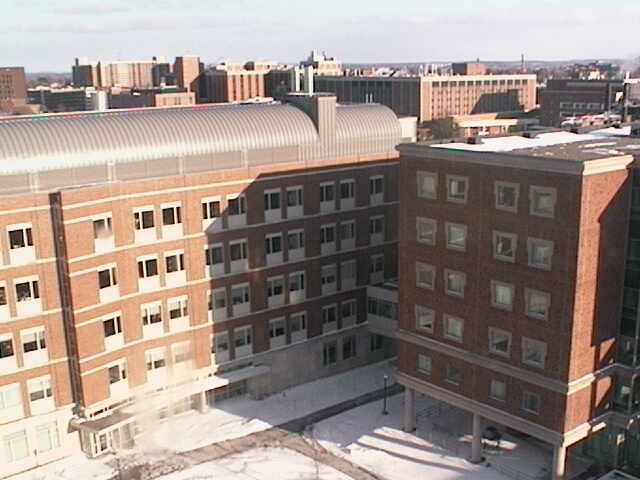 Rochester, New York5 colleges
 San Francisco5 colleges
 Seattle5 colleges
 Springfield, Missouri5 colleges
 Worcester5 colleges
 Albany, New York4 colleges
 Austin4 colleges
 Cambridge4 colleges
 Charleston, South Carolina4 colleges
 Cleveland, Ohio4 collegesHBCU
Montgomery, Alabama
3,900 students · 2% international · $20,000 a year
No reviews yet

Monmouth, Oregon
3,900 students · 1% international · $31,000 a year
No reviews yet

Aiken, South Carolina
3,900 students · 2% international · $21,000 a year
No reviews yet
 HBCU
Washington, DC
3,900 students · 4% international · $13,000 a year
No reviews yet
Brooklyn, New York
3,800 students · 2% international · $15,000 a year
No reviews yet

Plymouth, New Hampshire
3,800 students · 2% international · $25,000 a year
No reviews yet

Winona, Minnesota
3,800 students · 2% international · $43,000 a year
No reviews yet

Saint Joseph, Missouri
3,800 students · 1% international · $18,000 a year
No reviews yet

Houston, Texas
3,800 students · 5% international · $34,000 a year
No reviews yet

Fredericksburg, Virginia
3,800 students · 2% international · $31,000 a year
No reviews yet

Dallas, Texas
3,800 students · 0% international · $22,000 a year
No reviews yet

Bismarck, North Dakota
3,800 students · 3% international · $21,000 a year
No reviews yet

Victoria, Texas
3,800 students · 4% international · $17,000 a year
No reviews yet

University of Richmond, Virginia
3,800 students · 10% international · $63,000 a year
No reviews yet

New Albany, Indiana
3,800 students · 0% international · $22,000 a year
No reviews yet

Steubenville, Ohio
3,800 students · 3% international · $33,000 a year
No reviews yet

Charleston, South Carolina
3,700 students · 1% international · $37,000 a year
No reviews yet

New Rochelle, New York
3,700 students · 3% international · $46,000 a year
No reviews yet

York, Pennsylvania
3,700 students · 1% international · $25,000 a year
No reviews yet

Lewiston, Idaho
3,700 students · 1% international · $21,000 a year
No reviews yet


Rochester, New York
3,700 students · 0% international · $40,000 a year
No reviews yet

Jersey City, New Jersey
3,700 students · 32% international · $41,000 a year
No reviews yet


Arlington, Virginia
3,700 students · 10% international · $39,000 a year
No reviews yet
 HBCU
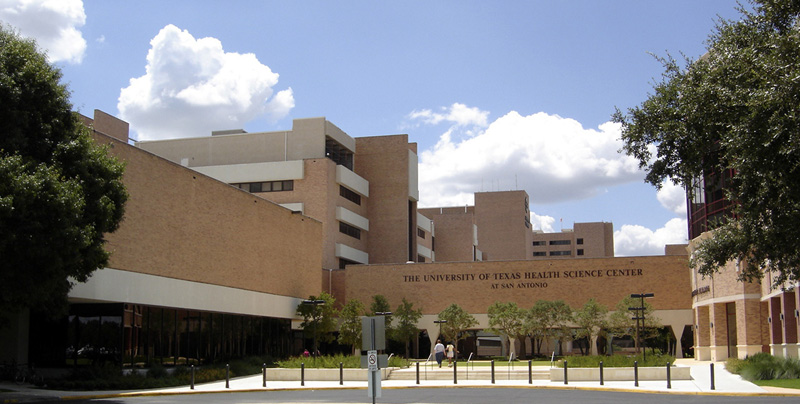
San Antonio, Texas
3,600 students · 3% international
No reviews yet

Kirksville, Missouri
3,600 students · 7% international · $18,000 a year
No reviews yet
 HBCU

Loudonville, New York
3,600 students · 3% international · $44,000 a year
No reviews yet
Jackson, Mississippi
3,600 students · 7% international · $29,000 a year
No reviews yet

Potsdam, New York
3,600 students · 14% international · $58,000 a year
No reviews yet


Smithfield, Rhode Island
3,600 students · 6% international · $51,000 a year
No reviews yet
Indianapolis, Indiana
3,600 students · 2% international · $39,000 a year
No reviews yet

Springfield, Massachusetts
3,600 students · 7% international · $46,000 a year
No reviews yet

Silver City, New Mexico
3,600 students · 3% international · $14,000 a year
No reviews yet
Oklahoma City, Oklahoma
3,600 students · 4% international
No reviews yet


Harrisburg, Pennsylvania
3,600 students · 78% international · $24,000 a year
No reviews yet

Philadelphia, Pennsylvania
3,600 students · 4% international · $36,000 a year
No reviews yet

Brooklyn, New York
3,600 students · 50% international · $28,000 a year
No reviews yet

Charleston, South Carolina
3,500 students · 3% international · $31,000 a year
No reviews yet

Saint Paul, Minnesota
3,500 students · 1% international · $50,000 a year
No reviews yet

Portland, Oregon
3,500 students · 4% international · $62,000 a year
No reviews yet

Saint Paul, Minnesota
3,500 students · 1% international · $43,000 a year
No reviews yet
Aberdeen, South Dakota
3,500 students · 2% international · $12,000 a year
No reviews yet
Showing 601 to 650 of 1,508 colleges
Studied There lists 1,508 colleges in the US, across 1,036 cities.
Of those with published figures, Arizona State University has the most students: 79,593.
New York University (19,373), Columbia University (13,898) and University of Southern California (12,754) have the most international students.
The median published out-of-state tuition and fees across 1,472 colleges is $30,992 a year. The lowest is Mayo Medical School at $3,257.
The median acceptance rate across 1,370 colleges is 77%. The most selective is California Institute of Technology, which admitted 3.1% of applicants.
That depends on what you want: the course, the price, the city and the kind of place it is. On Studied There a college is ranked by what verified students say once it has 10 reviews; until then the list is sorted by size. Use Sort by to see the most international or the cheapest first, and read reviews from students from your own country before you decide.
Colleges here estimate food and housing off campus at a median of $11,920 for the academic year. Add tuition, books, health insurance and flights on top. Each college's page shows its own estimate.
Not always. Many colleges are test-optional: they'll look at your SAT or ACT score if you send one but don't require it, and a few ignore scores completely. Each college's page says what it asks for.
Early decision and early action deadlines are often in November, and regular decision deadlines are often in early January, for courses starting the following fall. Leave time after you're admitted to get your I-20 and book a visa interview.
Usually, yes. Public colleges charge lower tuition to residents of their own state, and international students pay the higher out-of-state rate. Private colleges usually charge everyone the same.
On an F-1 visa you can usually work on campus for up to 20 hours a week while classes are in session. After you graduate, Optional Practical Training lets you work in your field for up to 12 months, and up to 24 months more after a STEM degree.
Where the figures come from
Photos from Wikimedia Commons


